 EN
EN

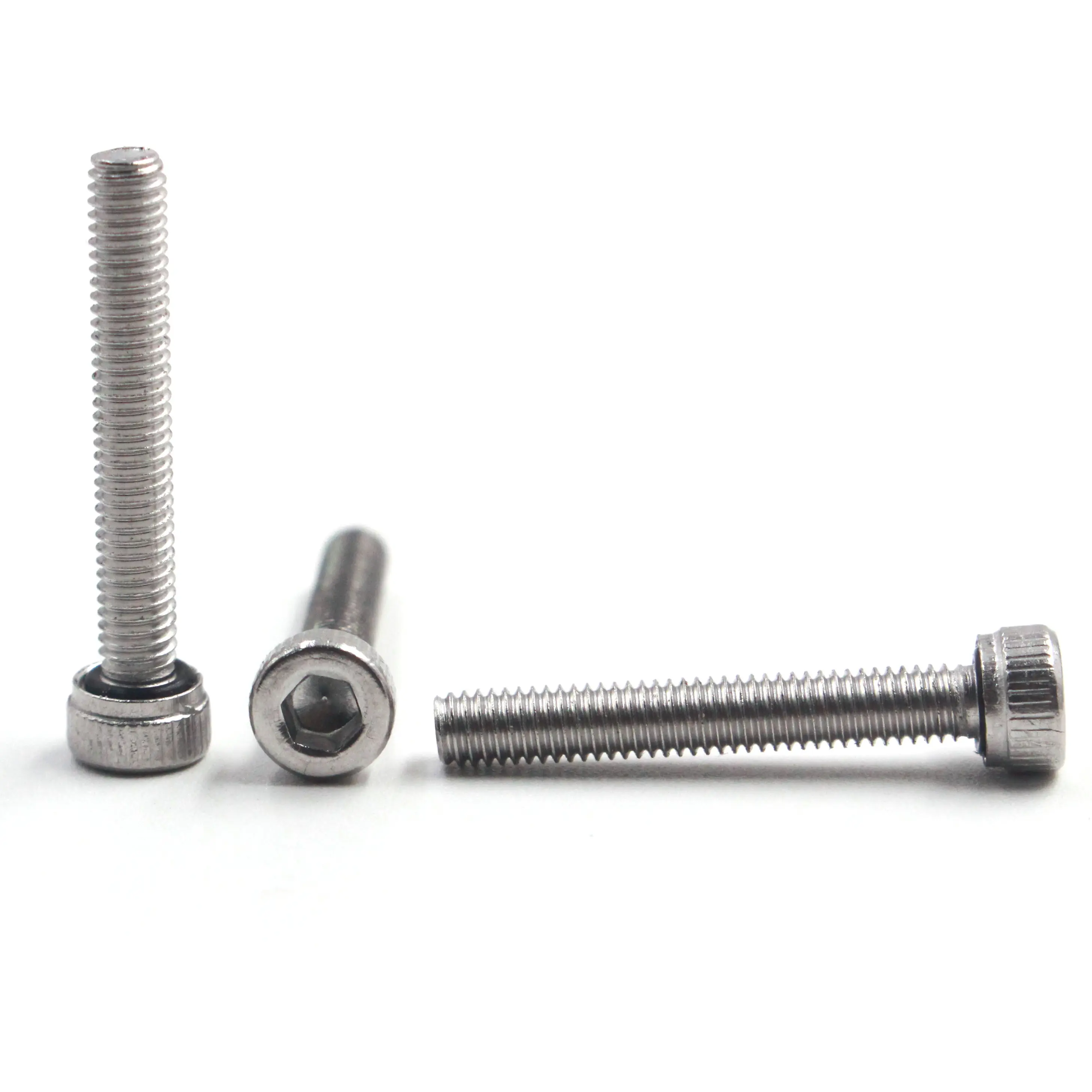
How Pan Head Sealing Screws Create a Reliable, Waterproof Seal
The role of integrated o-rings in achieving hermetic sealing
Pan head sealing screws have a special groove right under the head designed to squeeze the built-in O-ring when they're tightened down. What happens next is pretty impressive - it forms what we call a complete 360 degree seal around the whole area. This stops water, dust particles, and all sorts of unwanted stuff from getting inside where they shouldn't be. Now here's something interesting about these O-rings: their rubbery nature actually remembers its shape so the seal stays good even if someone takes the screw out and puts it back in several times. Another smart design element is how the metal of the screw head touches directly against whatever surface it's going into. This direct contact keeps things from getting squished too much, which means the O-ring lasts longer and continues working properly for years instead of just a few months.
Bi-directional sealing capability for pressure and vacuum environments
These screws perform reliably in both pressurized and vacuum conditions. Their bidirectional seal design prevents internal fluid leaks under high pressure while keeping external contaminants out of vacuum systems. This makes them ideal for critical applications such as medical ventilators and underwater robotics, where fluctuating pressures demand consistent performance.
Science behind airtight and waterproof performance in sealing screw design
The effectiveness of sealing really comes down to what materials go into those O-rings and how their grooves are shaped. Materials such as fluorocarbon elastomers stand up well against chemicals breaking them down over time, whereas going with stainless steel helps fight off rust issues. When it comes to groove depth, most experts agree that keeping it between about half a millimeter to seven tenths works best for getting good compression without tearing the ring apart. Research from several manufacturers shows these designs can keep water out even when subjected to pretty intense vibrations around fifteen Gs force. That makes them ideal choices for all sorts of heavy duty equipment used in factories or vehicles that need reliable seals despite constant movement and harsh conditions.
Material and Engineering Design for Maximum Durability in Extreme Conditions
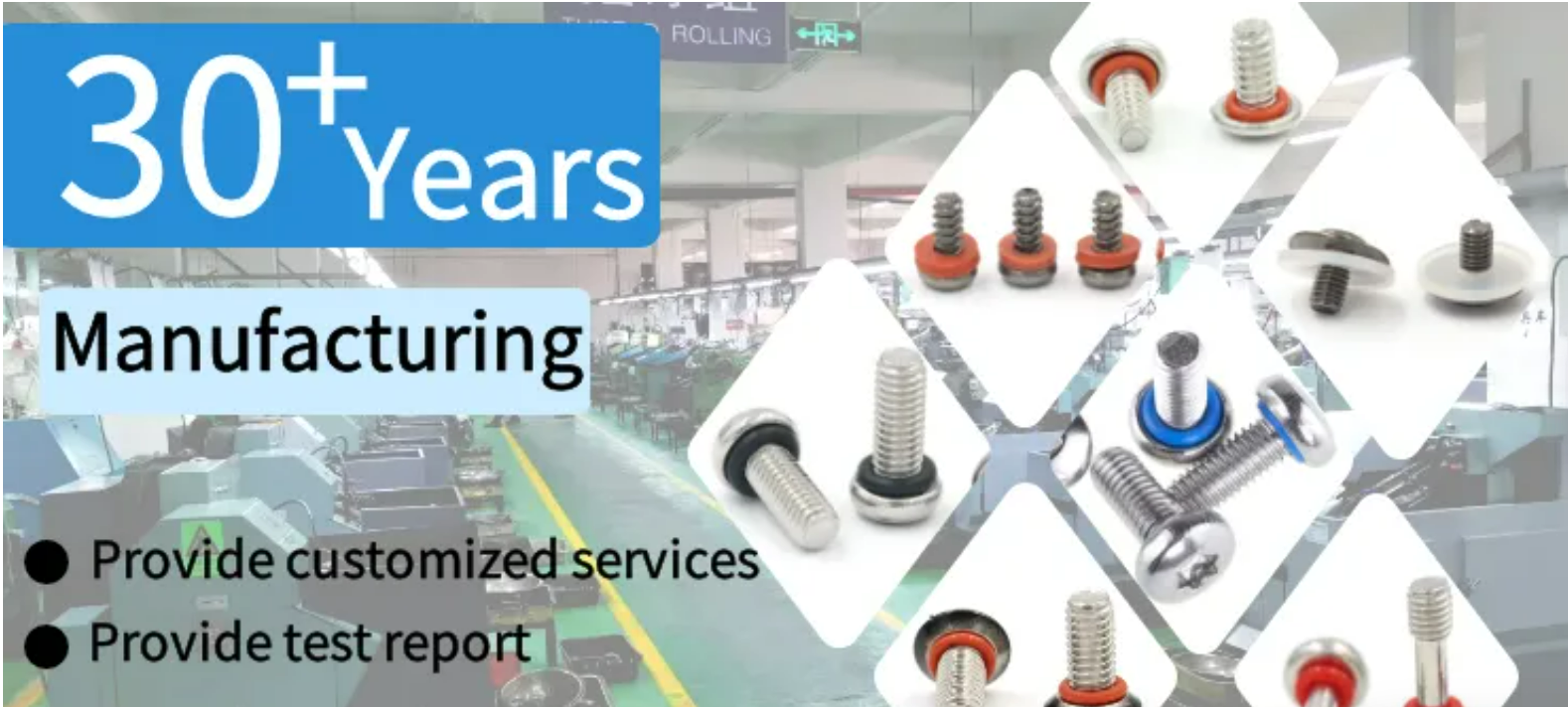
Corrosion-resistant materials: Stainless steel and protective coatings
Most pan head sealing screws go for 316 stainless steel because it stands up better against chlorides and acids than other materials. When put side by side with regular stainless options, these screws cut down on corrosion failures by about 78%, according to research published by Static Arabia in their 2023 study on corrosion issues. Manufacturers often apply extra protective coatings too, such as combinations of zinc nickel alloys or those epoxy polyamide mixes that can withstand salt spray tests for well over 5,000 hours straight. What makes this really important is how these protective layers stop what's called galvanic corrosion when different metals come into contact with each other. This matters a lot in boat building applications and chemical plants where metal parts need to work together reliably despite harsh conditions.
Elastomer selection for o-rings in high and low temperature extremes
Choosing the right material matters when dealing with extreme temps. Fluorocarbon rubber, or FKM as it's commonly called, works well between about minus 20 degrees Celsius all the way up to around 205 degrees. EPDM takes a different approach, handling temperatures from as low as negative 50 degrees Celsius up to 150 degrees Celsius. When looking at peroxide cured materials versus traditional sulfur cured ones, there's actually about a 40% improvement in compression set resistance under those extreme heat conditions according to ASTM standards (D2000-24). And speaking of cold environments, HNBR or hydrogenated nitrile butadiene rubber maintains its flexibility even at minus 60 degrees Celsius while still standing up against hydrocarbon fluids, making it a go-to option for many industrial applications where both temperature extremes and chemical exposure are concerns.
Resistance to vibration, chemicals, and mechanical stress
When put through the MIL-STD-202G testing protocol, these particular screws manage to hold onto about 95% of their original tightening force even after enduring 10,000 vibration cycles at 55Hz frequency. The special thread design we've implemented cuts down stress points by roughly 32% when compared against regular machine screws, which makes them last longer under repeated loading conditions. For shock absorption, our engineered polymer washers can take impacts measuring up to 18 joules per square meter before showing any sign of lasting damage. Speaking of durability, chemical tests show impressive results too. After sitting in ASTM Oil #3 for a month straight, they maintain nearly complete resistance at 99%, while still holding strong against 10% sulfuric acid with only minor degradation at 93% effectiveness over the same period.
Critical Applications of Sealing Screws in Demanding Industries
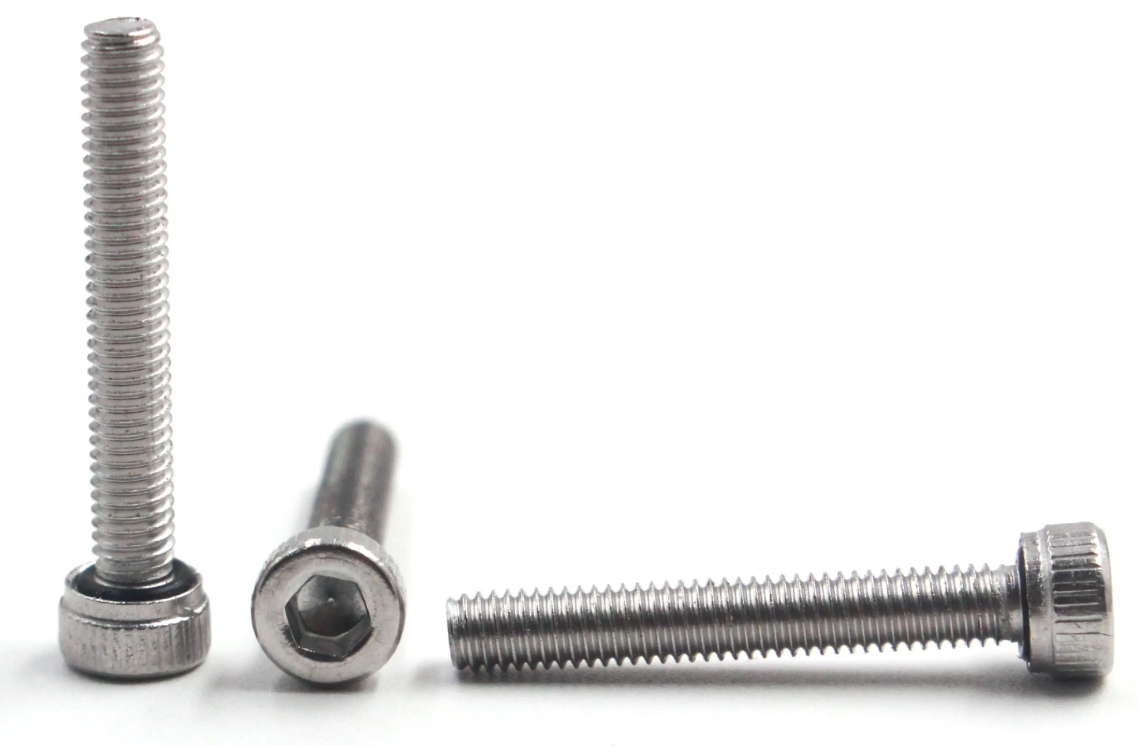
Sealing screws are vital in industries where equipment failure can compromise safety and performance. Their ability to maintain integrity under extreme conditions addresses key challenges across sectors.
Military and Defense: Reliability Under Extreme Operational Stress
Pan head sealing screws find their way into armored vehicles and aerospace applications where they hold up against blast forces and sudden pressure changes. These fasteners keep sand out when deployed in desert conditions and stop water from getting into sensitive areas on ships at sea. Defense engineers have found something interesting too properly sealed avionics bays run into about 40 percent fewer problems when temperatures swing wildly between minus 65 degrees Fahrenheit and 300 degrees Fahrenheit. This kind of reliability makes all the difference for military equipment operating in harsh environments day after day.
Medical Devices: Withstanding Sterilization and Moisture Exposure
In implantable devices and MRI machines, sealing screws use medical-grade elastomers capable of enduring more than 1,500 autoclave cycles at 270°F (132°C). Hermetic seals inhibit bacterial growth in fluid pathways critical for surgical robots, where contamination could contribute to $28.4 billion annually in U.S. healthcare complications (CDC 2023 data).
Industrial and Outdoor Equipment Performance in Harsh Weather
The offshore oil industry depends heavily on special sealing screws that stand up against saltwater corrosion. Some tests show these screws can last well over 15,000 hours when put through ASTM B117 salt spray testing conditions. Without proper seals, hydraulic systems tend to leak, which is actually responsible for around 23% of all failures in industrial fluid systems according to Fluid Power Alliance research from 2022. For telecom towers sitting out in direct sunlight year after year, engineers apply UV stable nylon coatings to maintain those critical seals. These coatings really make a difference in keeping things watertight even after decades of exposure to harsh weather conditions.
O-Ring Technology: Core Mechanism for Contamination and Moisture Protection
Preventing ingress of water, dust, and chemicals through precision o-ring seals
O-rings form a hermetic barrier by compressing into grooves between mating surfaces. In industrial applications, they block 99.7% of particulates smaller than 50 microns (Parker Hannifin 2022). The circular elastomer design accommodates minor surface imperfections, maintaining effective seals even in less-than-ideal assembly conditions.
Performance differences in static vs. dynamic sealing environments
For things that don't move much, like those big pipeline flanges we see all over industrial sites, O-rings just sit there compressed constantly without any real action going on. But when we get into moving parts, think hydraulic actuators or similar equipment, the story changes completely. These need tougher materials - something around 27 percent harder than what's considered normal according to that ASTM D2240 standard folks always mention. They have to handle all that sliding back and forth which creates friction nobody wants. Both types work better with those little sealing screws everyone installs, but guess what? The ones in motion actually wear out almost twice as fast as their stationary counterparts. A study published in Tribology International last year showed this 19% difference in wear rate between static and dynamic applications. Makes sense really when you think about it.
Long-term resilience under continuous pressure and vibration
Premium nitrile O-rings maintain performance through:
- Over 10,000 thermal cycles (-40°F to 302°F)
- Vibrational loads up to 5.8 G-force
- Sustained pressures of 5,000 PSI
Specialized formulations reduce compression set by 43% compared to conventional rubber, ensuring leak-free operation in continuously running heavy machinery.
Design Flexibility and Installation Benefits of Pan Head Sealing Screws
Pan head sealing screws offer versatile installation options and robust sealing, making them well-suited for complex assemblies. Their design balances compatibility with various drive systems and efficient torque transmission.
Drive options: Phillips and Torx compatibility for diverse assembly needs
These screws come in both Phillips and Torx drive options, giving engineers flexibility when selecting fasteners for different jobs. The Torx design actually provides better torque control, which cuts down on stripped screw heads by around 40% during those really tough tightening situations according to industry data from last year. For places where things need to be taken apart frequently like maintenance shops, Phillips still works well because they're easier to remove quickly. But most factories have switched to Torx now since their consistent performance makes them ideal for assembly line work where precision matters most day after day.
Optimizing torque strength while ensuring ease of installation
The pan head’s low profile evenly distributes clamping force, protecting the O-ring from overcompression while meeting IP67 waterproof standards. Reduced thread friction enables 15–20% faster installation versus flat-head alternatives, without compromising vibration resistance. This combination ensures durable, reliable seals in pipelines, electrical enclosures, and machinery subject to mechanical stress.
FAQ
What makes pan head sealing screws waterproof?
Pan head sealing screws ensure waterproof performance through their integrated O-rings that create a complete 360-degree seal when compressed against the surface. This prevents water and dust from penetrating the screw hole.
How do sealing screws perform under extreme conditions?
Sealing screws are engineered with corrosion-resistant materials like 316 stainless steel and protective coatings, allowing them to withstand high and low temperatures, vibrations, and chemicals effectively.
In which industries are pan head sealing screws commonly used?
Pan head sealing screws are vital in military and defense applications, medical devices, industrial machinery, and outdoor equipment, where reliability and durability under harsh conditions are crucial.
Table of Contents
- How Pan Head Sealing Screws Create a Reliable, Waterproof Seal
- Material and Engineering Design for Maximum Durability in Extreme Conditions
- Critical Applications of Sealing Screws in Demanding Industries
- O-Ring Technology: Core Mechanism for Contamination and Moisture Protection
- Design Flexibility and Installation Benefits of Pan Head Sealing Screws
- FAQ