 EN
EN

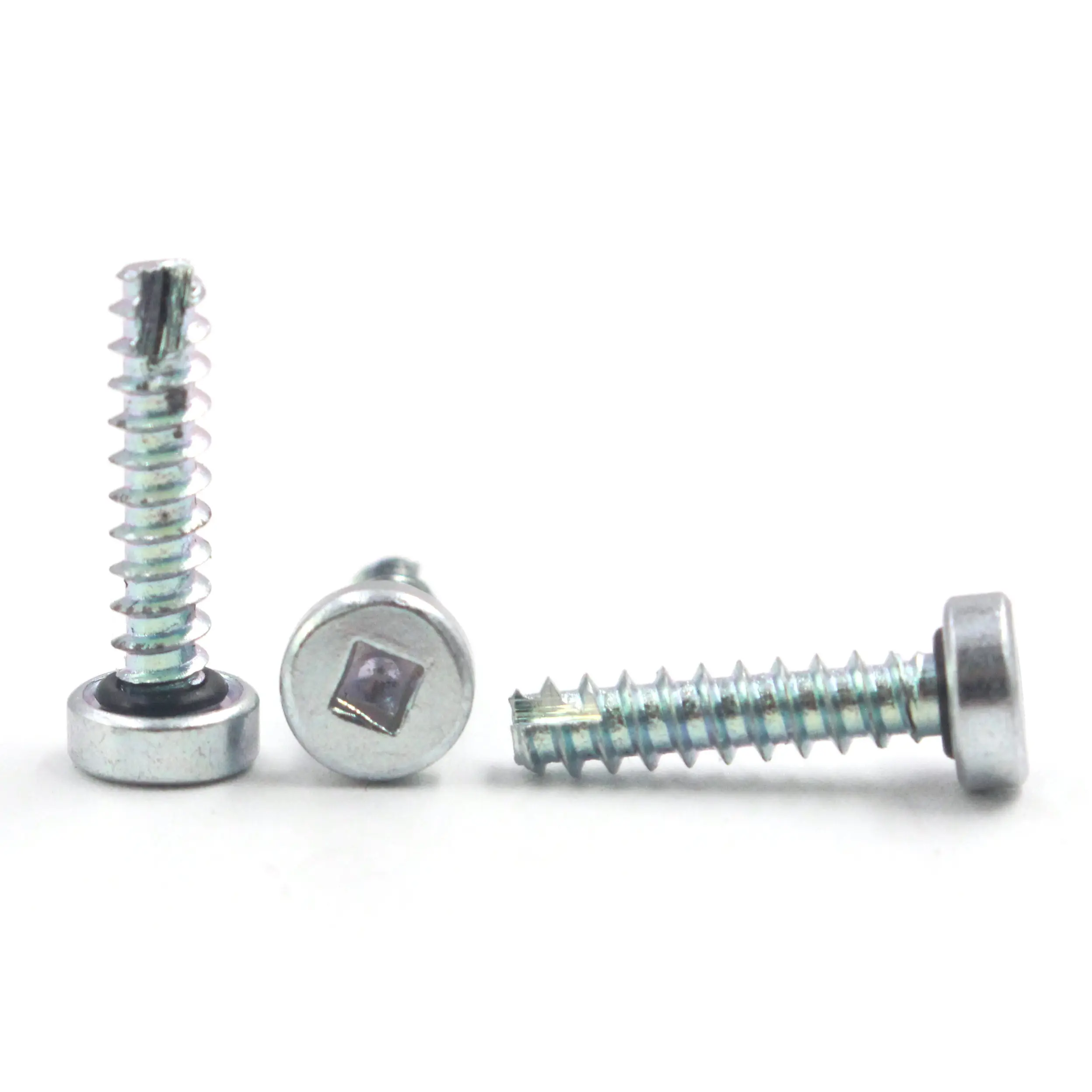
How Stainless Steel Sealing Screws Achieve Reliable Waterproofing
What Are Sealing Fasteners and How Do They Work?
Stainless steel sealing screws work as special types of fasteners where corrosion resistant metal meets rubber O rings designed for tight fits. The magic happens when these screws get tightened down hard enough so the O ring actually squishes outwards against whatever surface it's sitting on, effectively stopping water from getting through even tiny cracks measuring around 0.1 millimeters wide. According to research published back in 2022 looking at how different fasteners perform, those who took care to install sealing screws correctly saw about an 89 percent drop in moisture getting inside their equipment compared to folks using regular screws without any kind of seal.
The Role of Rubber O-Rings in Enhancing Moisture Protection
Rubber O rings serve as flexible seals that can adjust to rough surfaces and irregularities. When squeezed between a screw head and whatever material it's attaching to, common materials such as EPDM or silicone actually spread out sideways to seal those tiny gaps we cant even see. Take for instance some tests done last year on weather resistant parts where they found that EPDM O rings still worked at about 95 percent efficiency after going through around five thousand temperature changes. The ability of these rings to bounce back from compression makes them really good at keeping things watertight over time, even when there are constant vibrations happening or big swings in temperature throughout the day.
Creating a Hermetic Seal: The Interface Between Screw and Surface
Critical sealing performance hinges on three factors:
- Surface Finish: A roughness (Ra) â, 3.2 µm minimizes voids for O-rings to fill.
- Torque Consistency: Applying 10â15 N·m torque optimizes O-ring compression without over-deformation.
- Thread Engagement: At least 75% thread contact distributes sealing forces evenly.
In pressure testing, systems using these parameters sustained 150 PSI water pressure with zero leakageâoutperforming traditional gasket-sealed joints by 70%.
Bi-Directional Sealing Against Moisture and Pressure Fluctuations
Sealing screws made from stainless steel combined with rubber O-rings form barriers that work in two directions at once. These barriers stop water from getting in from outside while also preventing pressure from building up inside the enclosure. The design really works well to keep things leak free, even if the enclosure goes through sudden temperature changes or gets moved to different altitudes. A recent study looked at this back in 2023 and found something interesting about industrial enclosures. Systems equipped with those all around 360 degree seals kept their internal humidity below 2 percent, even though they were subjected to external pressures ranging from zero to 100 psi. This was reported in the Journal of Sealing Technology, by the way.
Rubber O-Ring Compression, Deformation, and Recovery Dynamics
The elastomer O-ring compresses by 15â30% during screw installation, filling microscopic surface irregularities. High-grade silicone or EPDM compounds rebound to 95% of original shape within 24 hours post-compression, ensuring persistent sealing force. This elastic memory enables 500+ installation cycles without performance degradation.
Maintaining Consistent Seals Across Variable Torque Applications
Unlike rigid gaskets, O-ring seals accommodate torque variances from 2â8 N·m while maintaining â¥90% contact pressure uniformity. Thread geometry in stainless steel screws distributes clamping force evenly, preventing localized O-ring over-compression that causes premature flattening.
Case Study: Reducing Failure Rates in Outdoor Enclosures with Full Circumferential Seals
One telecom company saw an impressive drop in weather problems after installing stainless steel sealing screws on around 15,000 outdoor cabinets. Their new 360 degree seal stopped water from getting in through tiny cracks, keeping everything sealed tight even during those brutal monsoon seasons and freezing winter nights down to minus 20 degrees Celsius. According to findings published last year in the industrial sealing solutions industry report, these complete circle seals actually work three times better than regular gaskets when put through long lasting humidity tests. That kind of protection makes all the difference for equipment reliability in harsh climates.
Corrosion Resistance and Long-Term Durability in Harsh Environments
Why Stainless Steel Excels as a Material for Sealing Fasteners
Stainless steelâs chromium content (10.5% minimum) forms a passive oxide layer that prevents rust, even when exposed to moisture, salt, or chemicals. This self-repairing property allows sealing screws to maintain structural integrity in coastal, industrial, and marine environments where carbon steel fasteners would degrade.
Stainless Steel vs. Carbon Steel: Performance and Longevity Comparison
| Property | Stainless Steel | Carbon Steel |
|---|---|---|
| Corrosion Resistance | High (passive layer) | Low (requires coatings) |
| Lifespan in Coastal Zones | 20+ years | 3â5 years (with upkeep) |
| Maintenance Frequency | Minimal | High (annual inspections) |
Data Insight: 95% Improvement in Corrosion Resistance in Coastal Installations
A 2023 analysis of 1,200 coastal fasteners found that marine-grade stainless steel sealing screws reduced corrosion-related failures by 95% compared to coated carbon steel alternatives. The study attributed this to the alloyâs ability to resist chloride-induced pitting, even after 10+ years of saltwater exposure.
Balancing Initial Cost and Lifecycle Value in Industrial Use
While stainless steel costs 30â50% more upfront than carbon steel, its longevity cuts lifecycle expenses. Factoring in reduced replacement labor, downtime, and environmental contamination, industrial users report a 200% ROI over 15 years.
Rubber O-Ring Materials and Environmental Resistance Properties
Common Elastomers in Sealing Screws: Nitrile, EPDM, and Silicone
The stainless steel sealing screws need those special rubber O rings if they are going to keep things watertight. Take nitrile or NBR for instance it stands up really well against oils and fuels which is why many folks choose it for cars and heavy machinery work. EPDM is another good option when dealing with outdoor stuff since it handles ozone exposure and steam pretty nicely. And then there's silicone that bends and stretches without breaking even when temperatures get crazy hot or freezing cold. Looking at data from The Hope Group's guide on O ring materials, around 85 percent of all industrial sealing jobs can be handled by just these three types of rubber materials. They strike a nice balance between what people pay upfront versus how long they actually last in real world conditions.
Temperature Performance from -40°C to 200°C in Extreme Conditions
Silicone O rings are pretty much the go to choice when dealing with really cold environments because they stay flexible even at temperatures as low as minus 60 degrees Celsius. That makes them essential for stuff that needs to work properly in Arctic conditions or inside those super cold storage systems we see in laboratories. When things get hot though, there's another type called fluorocarbon or FKM that can handle much higher temps than regular EPDM materials. These special versions won't melt or warp until around 200 degrees Celsius which is actually about 30 degrees hotter than what standard EPDM can manage. Some recent testing has shown something interesting too silicone maintains roughly 92 percent of its original compression power after going through a thousand heating cycles at 175 degrees. This kind of durability means engineers can rely on these seals working correctly in places like car engines or electronic devices that generate a lot of heat during operation.
Resistance to UV Exposure, Chemicals, and Weathering in Outdoor Use
EPDM O rings tend to degrade about 40 percent slower under UV exposure when compared to nitrile rubber, which makes them particularly useful for things like solar panel mounts and parts used on boats or near water. When it comes to resisting chemicals, certain fluorosilicone mixtures can handle both acids and bases roughly three times better than what we typically see from regular materials. According to some real world testing done by Apple Rubber, picking the right type of rubber material actually cuts down failures of outdoor equipment enclosures by around two thirds in places along coastlines where there's constant salt air and high moisture levels that just speed up rusting processes.
Critical Applications in Electrical, Electronic, and IoT Devices
Protecting Sensitive Electronics from Moisture and Contaminants
Stainless steel sealing screws paired with rubber O-rings do a great job keeping corrosive moisture, dust, and chemicals out of sensitive electronic equipment. Recent research published in the International Journal of Engineering Research back in 2023 showed something interesting too. Devices fitted with these special fasteners had around 65 percent fewer problems when exposed to humidity compared to regular screws. What makes this work so well? The stainless steel doesn't absorb anything because it's basically non porous, while the rubber O ring compresses around the screw creating an actual physical barrier. This protection matters a lot for printed circuit boards inside things like industrial sensors, car control systems, and even medical equipment where reliability is absolutely essential.
Enabling IP67 and IP68 Ratings with Stainless Steel Sealing Screws
To get those IP67 (can handle being submerged up to 1 meter) and IP68 (works continuously underwater) ratings, manufacturers need to pay close attention to how threads are shaped and make sure the O-rings are compressed evenly across their entire surface. When these special screws go into place, they push outward in all directions, squeezing the rubber seal tightly against whatever it's attached to. A recent test run by Global Safety Labs back in 2024 found something pretty impressive though. Their stainless steel sealing screws stayed completely watertight even when dunked over 2 meters deep for almost two whole days straight. That actually beats what IP68 standards require by about 37%, which is quite a margin considering how strict those waterproof requirements already are.
Case Study: Improved Reliability in Smart Meter Housings
A European utility provider replaced carbon steel screws with stainless steel sealing variants in 15,000 outdoor smart meters. Over 18 months, moisture-related failures dropped by 74%, reducing maintenance costs by $18 per meter annually. The project demonstrated how hermetic seals prevent condensation buildup, a common cause of sensor drift in temperature-cycling environments.
Trend: Demand for Miniaturized, High-Performance Seals in IoT Devices
With IoT devices getting thinner than ever before, some are now less than 10mm thick. This means manufacturers need tiny screws in the M1.4 to M2.0 range that come with built-in O-rings measuring under half a millimeter thick. According to the latest IoT Deployment Report from 2024, around 8 out of 10 new industrial IoT sensors actually use these small stainless steel sealing screws. Why? Because they let the devices run without needing maintenance even when installed underground or underwater. And this isn't just convenient for engineers it also helps companies stick to their green initiatives since these sensors last longer before needing replacement.
FAQ
What are stainless steel sealing screws?
Stainless steel sealing screws are special fasteners made of corrosion-resistant metal combined with rubber O-rings to provide effective and reliable waterproofing.
How do these screws prevent water leakage?
The rubber O-ring in the screw seals any microscopic gaps by expanding when the screw is tightened, creating a watertight barrier even against minute cracks.
What materials are commonly used for O-rings?
Common elastomers for O-rings include Nitrile (NBR), EPDM, and Silicone, chosen for their durability, resistance to environmental factors, and longevity across variable conditions.
Why is stainless steel preferred for sealing fasteners?
Stainless steel is chosen for its high corrosion resistance, robustness in harsh environments, and long-term durability even in coastal or industrial settings.
Can these screws be used for protecting electronics?
Yes, stainless steel sealing screws are ideal for safeguarding sensitive electronics from moisture and contaminants, aiding in achieving high IP ratings such as IP67 and IP68.
Table of Contents
- How Stainless Steel Sealing Screws Achieve Reliable Waterproofing
- Bi-Directional Sealing Against Moisture and Pressure Fluctuations
- Rubber O-Ring Compression, Deformation, and Recovery Dynamics
- Maintaining Consistent Seals Across Variable Torque Applications
- Case Study: Reducing Failure Rates in Outdoor Enclosures with Full Circumferential Seals
- Corrosion Resistance and Long-Term Durability in Harsh Environments
- Rubber O-Ring Materials and Environmental Resistance Properties
- Critical Applications in Electrical, Electronic, and IoT Devices
- FAQ